1. CPHI & PMEC China has grown into Asia’s premier pharmaceutical event. How do you see its role evolving in shaping the global pharmaceutical supply chain?
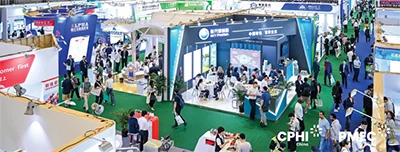
As the epicentre of the Asia-Pacific pharmaceutical market, CPHI & PMEC China serves 110,000+ attendees and 3,600+ exhibitors by bridging established manufacturing with next-generation innovation. In an era of geopolitical complexity, the event acts as a pivotal platform for supply chain optimisation, helping procurement and supply chain leaders build resilient, regionally balanced networks. By providing direct access to the world’s largest concentration of verified suppliers, it offers a strategic gateway to achieve cost-effectiveness, quality assurance, and risk mitigation, solidifying its role as an indispensable bridge in the global pharmaceutical ecosystem.
2. What are the key strategic priorities and overarching themes for the 2026 edition?
The 2026 edition of CPHI & PMEC China centres on five strategic pillars—ingredient excellence, manufacturing innovation, biotech advancement, international collaboration, and sustainability. These priorities drive four key themes: accelerating drug and biotech innovation, providing cost-effective manufacturing solutions, strengthening supply chain resilience, and leading digital transformation. By integrating these elements, the event serves as a premier platform for addressing immediate industry pressures while shaping the long-term future of global pharmaceutical efficiency and quality.
3. China continues to play a pivotal role in the global pharma ecosystem. How does the event facilitate stronger international collaboration and market access?
The event facilitates international collaboration through structured networking, including a hosted buyer matchmaking program, on-site plant visits, and technical seminars on manufacturing and quality control. With China's pharmaceutical market projected to reach USD 378.67 billion by 2029, we provide direct access to FDA-compliant manufacturers and high-level decision-makers. These tailored benefits allow Business Development leaders to identify new market opportunities and R&D directors to tap into China's vast biotech and AI-enabled discovery ecosystem.
4. What key industry trends are you seeing reflected through exhibitor participation and attendee interest at CPHI & PMEC China 2026?
The 2026 event reflects a major surge in Chinese biopharma innovation, highlighted by over $50 billion in out-licensing deals and global leadership in targeted protein degradation (TPD) and AI-powered drug discovery. Exhibitor interest is driven by the rise of biosimilars and green manufacturing, while attendees are prioritising cost-effective sourcing to navigate tariff pressures. These trends emphasize a strategic shift toward quality clinical data, supply chain regionalisation, and digital manufacturing capabilities as the industry seeks to balance innovation with regulatory compliance.
5. How is innovation—particularly in areas such as biologics, advanced manufacturing, and next-generation therapies—being showcased at this year’s event?
Innovation is showcased through dedicated areas for expanded biotech, next-generation APIs, and smart manufacturing—featuring IoT sensors, digital twins, and AI-enabled production. The event also highlights China's unique heritage in TCM and natural extracts, alongside specialized areas for medical aesthetic packaging and smart lab automation. Attendees can engage with these advancements through live machinery demonstrations, technical sessions on biologics, and case studies focused on AI-accelerated drug discovery and sustainable production.
6. In a cost-conscious and efficiency-driven environment, how can participants leverage the event to identify scalable and cost-effective solutions?
Participants can leverage the event to access China’s 20-40% cost advantage by engaging with 3,600+ exhibitors offering large-scale, FDA-compliant production. The exhibition facilitates practical sourcing strategies, including on-site quality assessments and direct negotiations for volume-based pricing across a comprehensive supply chain. For procurement and finance teams, the event serves as a high-ROI platform to identify cost-effective CMOs and biosimilar opportunities, enabling a shift toward affordable, high-quality manufacturing solutions in a single geographic location.
7. What new features, curated programs, or enhancements can attendees expect in the 2026 edition?
The 2026 edition introduces enhanced digital features, including an upgraded app for seamless business matchmaking and digital card exchanges, alongside specialized zones for medical aesthetics, frontier technologies, and smart labs. Attendees can access over 100 conferences featuring 700+ experts, a dedicated Sustainability Centre, and a First-time Exhibitor Showcase. To further optimise the experience, the event offers VIP premium passes for fast-track entry and private lounges, complemented by real-time product discovery and post-event on-demand content.
8. How does the event cater to the diverse needs of stakeholders across the pharmaceutical value chain—from raw material suppliers to biopharma developers?
The event provides full value chain coverage through dedicated areas for APIs, contract manufacturing (CMOs), biotech innovation, and advanced machinery. Raw material suppliers gain direct access to global manufacturers, while biopharma developers connect with China's R&D ecosystem and clinical trial capabilities. By integrating persona-based engagement, this event enables stakeholders to achieve specific goals—from strategic partnerships and brand awareness for leaders to quality verification and technical benchmarking for procurement and packaging specialists, ensuring every segment of the industry finds tailored solutions.
9. How are digital tools and smart event technologies being integrated to enhance the overall attendee and exhibitor experience?
Digital integration centres on an upgraded mobile app and the SwapCard platform, which have seen a 411% surge in meeting bookings and significant growth in contactless networking. These tools offer real-time product searches, live-streamed sessions, and data dashboards for exhibitors to track engagement across the 240,000 sqm space. Complementing this, the Smart Manufacturing showcase features IoT, digital twins, and AI-driven quality control, ensuring a seamless experience where attendees can efficiently schedule meetings, navigate the venue, and access on-demand content for post-event follow-up.


10. What tangible business outcomes— such as partnerships, sourcing opportunities, or market expansion—can participants expect from attending?
Participants can expect significant business growth through face-to-face contract negotiations and strategic alliances with over 3,600 exhibitors, achieving 20-40% cost savings via China’s manufacturing base. The event serves as a gateway to China’s USD 282 billion pharmaceutical market, offering regulatory insights and connections with Asia-Pacific distributors. With 84% of past attendees reporting high value for their investment, the platform delivers quantifiable results ranging from high-quality lead generation and brand visibility for exhibitors to diversified supplier sourcing and professional development through 100+ expertled conferences.
11. As the pharmaceutical industry continues to globalise, what role do events like CPHI China play in building resilient and diversified supply chains?
CPHI China plays a vital role in building resilient supply chains by offering geographic diversification and direct access to China’s massive manufacturing hub and emerging Asia-Pacific networks. The event facilitates risk mitigation through face-to-face quality verification and the identification of backup suppliers, helping companies navigate geopolitical tensions and tariff pressures. By combining cost optimisation with access to frontier innovations—such as AI-driven discovery and green manufacturing—the platform allows global stakeholders to diversify their sourcing strategies, ensure supply continuity, and align with evolving sustainability standards in a strategically critical market.
12. Looking ahead, how do you envision the evolution of CPHI & PMEC China over the next five years in terms of scale, scope, and industry influence?
The event’s scope will expand to prioritize advanced therapies (Cell & Gene, mRNA), digital health integration, and sustainability leadership. By leveraging AI-powered matchmaking, blockchain-verified credentials, and hybrid participation tools, the platform will bridge the gap between traditional manufacturing and next-generation discovery. Ultimately, it will serve as the primary gateway to the Asia-Pacific market, driving the industry’s transition toward green manufacturing, regulatory harmonisation, and China’s emergence as a global leader in pharmaceutical innovation.
13. What message would you like to share with global pharmaceutical stakeholders considering participation in CPHI & PMEC China 2026?
CPHI & PMEC China 2026 is a strategic imperative for global stakeholders to position themselves at the heart of the world’s most dynamic pharmaceutical hub. Offering unparalleled access to 3,600+ exhibitors and a market projected to reach USD 378 billion by 2029, the event provides a unique platform to achieve 20-40% cost savings while engaging with frontier innovations in AI-driven discovery and TPD research. Whether you are looking to build resilient supply chains, forge high-value partnerships, or explore smart manufacturing, this June in Shanghai offers the unmatched scale and proven ROI needed to define your success in the coming decade. Join us to secure your position in the future of global pharma.