Nanovaccines
Emerging Significant Players in the Era of Vaccination
Priya Gupta, Assistant Professor, Amity Institute of Pharmacy, Amity University
Disha Marwaha, Assistant Professor, Chandigarh University
The process of vaccination undoubtedly is of significance importance for safeguarding and preserving global health. Recently, the nanoparticle-based vaccines have been gaining interest worldwide due to their promising potential of causing targeted drug delivery, enhanced antigen presentation along with sustained release of the antigen. These nanovaccines manifest immense therapeutic applications in many disease conditions including autoimmune diseases, cancer and are also able to induce mucosal immune responses.
Introduction
Vaccination represents the most efficacious tool for the prevention as well as control of infectious diseases accentuating the importance of safe and effective vaccines for preserving global health and enhancing economic growth. Moreover, the COVID-19 pandemic of 2019 further highlighted the imperative role of various advanced technologies including nanotechnology in particular, for hastening the development of vaccines and increasing their effectiveness (1).
The nanoparticle-based vaccines serve as great candidates since they manifest targeted antigen delivery, enhanced antigen presentation and potentiate sustained release of antigens at the same time stimulating strong immune responses by providing self-adjuvating functions. Apart from this, these nanovaccines can be administered via various routes of drug delivery and exhibit good stability showcasing various noteworthy advantages compared to the traditional vaccines. Upon their internalisation in the antigen-presenting cells (APCs), the formation of inflammatory complexes is being induced accelerating the secretion of inflammatory cytokines finally encouraging the immune cells recruitment. Apart from this, the tissue targeting capability, cytotoxicity reduction as well as the uptake efficiency can be significantly amplified by altering the shape, particle size and charge of the nanovaccines or by potentiating its surface engineering (2). Thus, these can be regarded as an unprecedented warrior in the field of vaccination.
Nanocarriers employed in Nanovaccines fabrication
Lately, the rigorous advancement made in the field of nanotechnology has facilitated the utilisation of nanoparticles for potentiating effective vaccine delivery enabling the development of next generation vaccines (Figure 1). These nanoparticles exhibiting nanoscale size range are capable of mimicking the structural features of virus and thus act as ideal candidates for the fabrication of next-generation vaccines. There exists a plethora of strategies by which the vaccines can be successfully delivered by the nanocarriers namely antigen encapsulation in the nanocarriers or their conjugation onto the nanocarrier surface. Furthermore, the encapsulation aids in protecting the antigen from enzymatic degradation while the conjugation facilitates in targeting the specific immune cells thereby augmenting the antigen uptake. Apart from this, for enhancing the delivery of antigens, immunogenicity and targeting specificity; these nanocarriers can be tailored precisely for size, shape, surface chemistry (3). Furthermore, these nanocarriers induce the activation of immune cells thereby manifesting intrinsic adjuvant effects paving the way for the development of highly efficient vaccines (4).
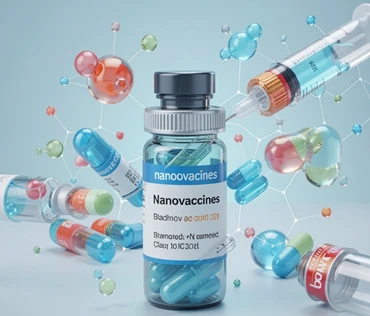
Figure 1: Nanotechnology based delivery of vaccines
Applications
Autoimmune diseases
The chronic immune responses to self-antigens and the attacking of body’s own cells, tissues and organs of host leads to autoimmune diseases. Furthermore, the autoimmune tolerance is destroyed by the dysfunction of innate and adaptive immunity acting as the main factor leading to pathogenesis. One of the main therapeutic action of an autoimmune disease is the capability to specifically eliminate the auto-antigen spontaneous immune response while not interfering with the immune response directed against other antigens. The nanovaccines on the other hand, correspond to this principle. These can facilitate the simultaneous absorption of antigens and adjuvants by the immune cells thereby inducing rapid and long-lasting immunity. Additionally, these therapeutic nanovaccines can be designed, loaded appropriately and can aid in improved protection of the antigen from premature degradation. Moreover, these when optimised through design also exhibit the ability of targeting particular cells and tissues (5).
Mucosal immune responses
Nanovaccines due to their potential of overcoming mucosal immune barriers along with augmenting the immunogenicity of the antigens that are encapsulated are gaining immense attention for mucosal vaccination. Apart from this, for increasing the time of residence of antigens on the mucus layer, mucoadhesive polymer based nanovaccines have been fabricated and explored, among which chitosan attributing to its biocompatibility, reduced toxicity and biodegradability represents the most widely used material. Moreover, these can be decorated with M cell targeting ligands for aiding in enhanced delivery through the epithelial cells. Thus, these mucosal vaccines are strongly preferred over the conventional vaccines due owing to the simultaneous induction of mucosal and systemic immune responses in a patient friendly and convenient manner (6).
Cancer
The treatment of cancer utilising the cancer vaccines have long been considered owing to its capability of generating strong anti-tumor responses combined with the destruction of tumor cells with diminished damage to the healthy cells and also the induction of memory against tumor antigen(7) . However, due to their generation of weak and short-lived anti-tumor immune responses; these have still not found an appropriate place in cancer immunotherapy as suggested by the outcomes of clinical studies. As per a plethora of studies, it has been reported that fabricating vaccines with nanoparticles can help elevate the antigen delivery to antigen presenting cells and aid in enhancing the antigen presentation by APCs to effector lymphocytes (8). These vaccines also help in increasing the antigen stability by preventing their degradation due to encapsulation of antigens in nanocarriers. Moreover, some of the nanoparticles are formulated such that they are capable of delivering it to the cytoplasm further allowing it to present to MHC-I molecules thereby activating the CD8+ cytotoxic T cells, killing the cancer cells more effectively (9).
Conclusion and Future Perspectives
In comparison to the traditional vaccines, nanovaccines manifest several promising advantages namely route of administration, dosage regimes, efficiency of delivery and adjuvancity. Apart from this, many other advantages namely controlled release, biodegradation, antigenicity are also exhibited by them; thereby eliciting both humoral and cell-mediated immune responses. These are also capable of inducing memory effector responses that further aids in reducing the requirement for regular boosters as in the case of conventional vaccines. Although many of these novel nanovaccines are being evaluated in the preclinical stage; however serious concerns regarding its safety, scaling up, manufacturing must be addressed for their full adoption in the healthcare industry.
References
- Cheng M, Chai Y, Rong G, Xin C, Gu L, Zhou X, et al. Nanotechnology-based strategies for vaccine development: accelerating innovation and delivery. Biomater Transl. 2025;6(1):55–72. doi:10.12336/biomatertransl.2025.01.005 PubMed PMID: 40313573; PubMed Central PMCID: PMC12041807.
- Tsai S, Shameli A, Yamanouchi J, Clemente-Casares X, Wang J, Serra P, et al. Reversal of autoimmunity by boosting memory-like autoregulatory T cells. Immunity. 2010 Apr 23;32(4):568–80. doi:10.1016/j.immuni.2010.03.015 PubMed PMID: 20381385.
- Zaccariotto G de C, Bistaffa MJ, Zapata AMM, Rodero C, Coelho F, Quitiba JVB, et al. Cancer Nanovaccines: Mechanisms, Design Principles, and Clinical Translation. ACS Nano. 2025 Apr 9;19(17):16204–23. doi:10.1021/acsnano.4c15765
- Gomes AC, Mohsen M, Bachmann MF. Harnessing Nanoparticles for Immunomodulation and Vaccines. Vaccines. 2017 Feb 14;5(1):6. doi:10.3390/vaccines5010006 PubMed PMID: 28216554; PubMed Central PMCID: PMC5371742.
- Full article: The Application of Nanovaccines in Autoimmune Diseases [Internet]. [cited 2026 Aug 8]. Available from: https://www.tandfonline.com/doi/full/10.2147/IJN.S440612
- Du G, Qin M, Sun X. Recent progress in application of nanovaccines for enhancing mucosal immune responses. Acta Pharm Sin B. 2023 Jun;13(6):2334–45. doi:10.1016/j.apsb.2022.08.010 PubMed PMID: 37425056; PubMed Central PMCID: PMC10326163.
- Nanovaccines for cancer immunotherapy - Zhang - 2019 - WIREs Nanomedicine and Nanobiotechnology - Wiley Online Library [Internet]. [cited 2026 Aug 8]. Available from: https://wires.onlinelibrary.wiley.com/doi/abs/10.1002/wnan.1559
- Engineered Cell‐Membrane‐Coated Nanoparticles Directly Present Tumor Antigens to Promote Anticancer Immunity - Jiang - 2020 - Advanced Materials - Wiley Online Library [Internet]. [cited 2026 Aug 8]. Available from: https://advanced.onlinelibrary.wiley.com/doi/10.1002/adma.202001808
- Nanovaccines for Cancer Prevention and Immunotherapy: An Update Review [Internet]. [cited 2026 Aug 8]. Available from: https://www.mdpi.com/2072-6694/14/16/3842

Dr. Priya Gupta is currently working as an Assistant Professor at Amity Institute of Pharmacy, Amity University, Noida and earned her Ph.D. in Pharmaceutics from Jamia Hamdard in 2024. Her area of research includes formulation development, novel drug delivery systems, nanoformulations. She has authored more than 15 articles in peer-reviewed national and international journals.

Dr. Disha Marwaha earned a Ph.D. in Biological Sciences from the CSIR-Central Drug Research Institute (CSIR-CDRI) in 2024 and currently serves as an Assistant Professor at Chandigarh University Uttar Pradesh. Her research encompasses nanomedicine, pharmacokinetics, formulation development, and targeted drug delivery systems. She has authored more than 22 articles in peer-reviewed international journals.