Allosteric Modulation: A Paradigm Shift in Pharmaceutical Innovation
Dr. Parth Sarthi Sen Gupta, School of Biosciences and Bioengineering, D Y Patil International University (DYPIU).
Allosteric modulation offers a promising avenue in drug discovery, enabling precise regulation of protein functions by targeting sites distinct from active sites. This approach enhances selectivity and reduces resistance, particularly in combating infectious diseases. Recent studies on SARS-CoV-2 and monkeypox virus proteins highlight the potential of allosteric inhibitors in developing effective antiviral therapies. It would be the promising approach to combat future pandemic and drug resistance.

Allostery, the regulation of a protein's function through the binding of a molecule at a site distinct from the active site, has emerged as a pivotal concept in drug discovery. By targeting allosteric sites, researchers can modulate protein activity with high specificity, potentially reducing off-target effects and overcoming resistance mechanisms associated with traditional active-site inhibitors. This approach is particularly significant in the context of infectious diseases, where pathogens often mutate their active sites to evade inhibition (1).
The Role of Allostery in Drug Discovery
Traditional drug discovery has primarily focused on designing molecules that target the active sites of enzymes or receptors (1). While this strategy has yielded numerous therapeutic agents, it often encounters challenges such as:
- Conservation of Active Sites: Active sites are frequently conserved across protein families, making it difficult to achieve selectivity and avoid off-target interactions.
- Resistance Development: Pathogens and cancer cells can develop mutations in active sites, rendering drugs less effective or entirely ineffective.
- Regulatory Complexity: Some proteins are regulated through complex mechanisms that are not easily modulated by targeting the active site alone.
Allosteric modulation addresses these challenges by targeting sites that are less conserved and more adaptable, allowing for:
- Enhanced Selectivity: Allosteric sites often exhibit greater variability between different proteins, enabling the design of drugs that specifically modulate a particular protein's function without affecting others.
- Overcoming Resistance: By binding to regions distinct from the active site, allosteric modulators can retain their efficacy even when mutations occur in the active site.
- Fine-Tuning Activity: Allosteric modulators can provide a more nuanced regulation of protein activity, offering the potential for partial activation or inhibition, which can be beneficial in maintaining physiological balance.
The exploration of allosteric sites has led to the discovery of novel therapeutic agents across various diseases, including neurological disorders, metabolic diseases, and infectious diseases (1).
Case Studies in Infectious Diseases
Recent studies have highlighted the importance of allosteric modulation in developing treatments for infectious diseases:
1. Unmasking an Allosteric Binding Site of the Papain-Like Protease in SARS-CoV-2
The SARS-CoV-2 virus, responsible for the COVID-19 pandemic, relies on the papain-like protease (PLpro) for viral replication and modulation of host immune responses. Inhibition of PLpro has emerged as a potential therapeutic strategy. Recent studies have utilized molecular dynamics simulations to explore the binding of various compounds to PLpro. These simulations have revealed previously unrecognized allosteric binding sites that could be targeted to modulate the protease's activity. For instance, a study identified a novel allosteric site on PLpro that, when bound by specific inhibitors, resulted in significant conformational changes, leading to reduced enzymatic activity. This discovery opens avenues for the development of allosteric inhibitors as therapeutic agents against SARS-CoV-2 (2).
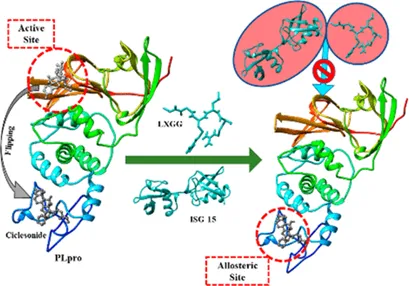
Figure1: Allosteric Binding Site of the Papain-Like Protease in SARS-CoV-2 (Panda et al., 2023)
2. Identification and Investigation of a Cryptic Binding Pocket of the P37 Envelope Protein of Monkeypox Virus
Monkeypox virus, an emerging zoonotic pathogen, encodes the P37 envelope protein, which plays a crucial role in viral replication and dissemination. Targeting P37 presents a promising strategy for antiviral development. Through molecular dynamics simulations, researchers have identified a cryptic binding pocket within the P37 protein. This pocket, not evident in static crystal structures, becomes apparent during the dynamic movements of the protein. Binding of small molecules to this allosteric site induces conformational changes that impair the protein's function, thereby inhibiting viral replication. This approach highlights the potential of targeting cryptic allosteric sites in viral proteins as a novel antiviral strategy (3).
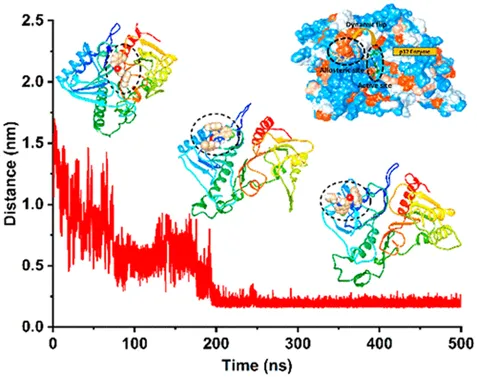
Figure 2: Cryptic Binding Pocket of the P37 Envelope Protein of Monkeypox Virus (Gupta et al., 2023)
Allostery in Pandemic Preparedness
The COVID-19 pandemic has underscored the need for rapid development of effective therapeutics against emerging pathogens. Allosteric modulation offers a promising avenue for such efforts. By targeting allosteric sites, researchers can develop drugs that are less susceptible to resistance caused by mutations in active sites. This strategy is particularly valuable in combating viruses that rapidly mutate, as allosteric sites are often less prone to such changes. Furthermore, the ability to fine-tune protein activity through allosteric modulation allows for more precise therapeutic interventions, which can be crucial in managing the complex pathologies associated with emerging infectious diseases (2, 3).
Implications for the Pharmaceutical Industry
The identification and exploitation of allosteric sites in drug discovery represent a paradigm shift with significant implications for the pharmaceutical industry:
- Diversification of Drug Targets: Allosteric sites provide a broader landscape of targets beyond traditional active sites, enabling the development of novel therapeutics for diseases that have been challenging to treat.
- Improved Drug Profiles: Allosteric modulators often exhibit better safety profiles due to their higher specificity and the ability to fine-tune protein activity rather than completely inhibit it.
- Innovation in Antiviral Therapies: As demonstrated in studies on SARS-CoV-2 and monkeypox virus, targeting allosteric sites in viral proteins can lead to the development of effective antiviral agents, potentially addressing current and future viral threats.
- Economic Considerations: The pursuit of allosteric modulators may reduce the time and cost associated with drug development by providing alternative strategies to overcome resistance and selectivity issues.
Challenges and Future Directions
- Identification of Allosteric Sites: Detecting allosteric sites, especially cryptic ones that are not apparent in static structures, requires advanced techniques such as molecular dynamics simulations and high-throughput screening.
- Understanding Allosteric Mechanisms: A comprehensive understanding of the mechanisms by which allosteric modulators influence protein function is essential for rational drug design.
- Optimization of Drug-Like Properties: Ensuring that allosteric modulators possess favorable pharmacokinetic and pharmacodynamic properties remains a critical aspect of drug development.
Future research should focus on integrating computational and experimental approaches to identify and validate allosteric sites, elucidating the structural and dynamic basis of allosteric regulation, and designing modulators with optimal therapeutic profiles.
Conclusion
Allostery offers a compelling framework for the development of novel therapeutics. By expanding the focus beyond traditional active-site inhibition, researchers can uncover new avenues for modulating protein function, leading to the development of drugs with improved specificity, efficacy, and safety profiles. The studies on SARS-CoV-2 PLpro and monkeypox virus P37 protein exemplify the innovative application of allosteric modulation in antiviral drug discovery. As the pharmaceutical industry continues to embrace allosteric strategies, it holds the promise of addressing the problems encountered due to drug resistance.
References
- McCullagh M, Zeczycki TN, Kariyawasam CS, Durie CL, Halkidis K, Fitzkee NC, Holt JM, Fenton AW. What is allosteric regulation? Exploring the exceptions that prove the rule! Journal of Biological Chemistry. 2024 Mar 1;300(3).
- Panda SK, Sen Gupta PS, Karmakar S, Biswal S, Mahanandia NC, Rana MK. Unmasking an allosteric binding site of the papain-like protease in SARS-CoV-2: molecular dynamics simulations of corticosteroids. The Journal of Physical Chemistry Letters. 2023 Nov 9;14(45):10278-84.
- Sen Gupta PS, Panda SK, Nayak AK, Rana MK. Identification and investigation of a cryptic binding pocket of the P37 envelope protein of monkeypox virus by molecular dynamics simulations. The Journal of Physical Chemistry Letters. 2023 Mar 27;14(13):3230-5.

Dr. Parth Sarthi Sen Gupta is a Computational Biologist specializing in computational drug and vaccine design, with a focus on allosteric modulation. He is an Associate professor in School of Biosciences and Bioengineering, D Y Patil International University. He has published more than 50 research articles and book chapter in reputed peer reviewed Journals. His research work on COVID19 has been highlighted by various national and international news agencies and recognized by World health organizations.