Peptide-Drug Conjugates in Precision Oncology
Engineering next-generation targeted therapies
Dr. Keykavous Parang, Center for Targeted Drug Delivery, Department of Biomedical and Pharmaceutical Sciences, Chapman University School of Pharmacy, Harry and Diane Rinker Health Science Campus.
Thuy Do, Center for Targeted Drug Delivery, Department of Biomedical and Pharmaceutical Sciences, Chapman University School of Pharmacy, Harry and Diane Rinker Health Science Campus.
Clare Dinh, Center for Targeted Drug Delivery, Department of Biomedical and Pharmaceutical Sciences, Chapman University School of Pharmacy, Harry and Diane Rinker Health Science Campus.
Mahsa Moazen, Center for Targeted Drug Delivery, Department of Biomedical and Pharmaceutical Sciences, Chapman University School of Pharmacy, Harry and Diane Rinker Health Science Campus.
Troy Khong, Center for Targeted Drug Delivery, Department of Biomedical and Pharmaceutical Sciences, Chapman University School of Pharmacy, Harry and Diane Rinker Health Science Campus.
Peptide-drug conjugates (PDCs) offer a revolutionary approach to cancer therapy by combining tumor-homing peptides, cleavable linkers, and cytotoxic payloads. This article explores their design, therapeutic advantages, and emerging applications, highlighting how precision bioengineering is shaping safer, more selective, and scalable oncologic treatments beyond antibody-drug conjugates.
Introduction
Cancer therapies have evolved from broadly cytotoxic agents to increasingly refined and targeted treatments. Amidst this transformation, peptide-drug conjugates (PDCs) have emerged as a promising class of bioconjugates that offer the precision of targeted delivery combined with the potency of cytotoxic drugs. Their modular architecture, comprising a tumor-homing peptide, a cleavable linker, and a therapeutic payload, provides flexibility for design and functional optimisation. Compared to antibody-drug conjugates (ADCs), PDCs are smaller, easier to manufacture, and exhibit superior tissue penetration
Among PDCs, Lutathera (177Lu-DOTATATE) is a peptide receptor radionuclide therapy that was approved for gastroenteropancreatic neuroendocrine tumors (Strosberg et al., 2017). ANG1005, a conjugate of paclitaxel and Angiopep-2, was designed to penetrate the blood-brain barrier and has shown promise in treating glioblastoma multiforme (Kumthekar et al., 2020). Etirinotecan pegol (NKTR-102), though not a classical PDC, a PEGylated irinotecan conjugate that extends half-life and tumor accumulation, was examined in cancer patients (Awada et al., 2013). There are several new studies.
Sharma et al. (2024) developed a HER2-targeted PDC by conjugating the rL-A9 peptide to doxorubicin using an SMCC linker. The conjugate demonstrated selective uptake and potent cytotoxicity in HER2-positive breast cancer cells (Sharma et al., 2024).
Timur et al. (2017) investigated LyP-1–doxorubicin conjugates in triple-negative breast cancer. The conjugates showed improved internalisation and cytotoxicity. Additionally, pre-targeting with LyP-1–antibody complexes significantly enhanced uptake, indicating a potential platform for dual-targeted therapies (Timur et al., 2017).
O'Flaherty et al. (2024) designed PDCs combining L-K6 peptides and usnic acid derivatives to produce dual-action anticancer agents. These conjugates induced DNA damage and inhibited TDP1, exhibiting superior cytotoxicity compared to either component alone (O'Flaherty et al., 2024).
This article outlines the scientific rationale, engineering strategies, and clinical implications of PDCs in oncology, drawing on recent research to evaluate their potential as next-generation cancer therapeutics.
Scientific Rationale
Peptides are short chains of amino acids (typically fewer than 50 residues) that can be engineered for high specificity and affinity toward receptors overexpressed in tumor cells or vasculature. Their low immunogenicity, ease of synthesis, and modifiability make them ideal candidates for drug delivery. A PDC integrates a peptide for tumor targeting, a linker to control drug release kinetics, and a cytotoxic or therapeutic payload. This triad allows the drug to remain stable in systemic circulation while enabling its release in response to tumor-specific triggers, such as acidic pH, enzymes, or reducing environments.
Engineering Components
There are three components in each PDC: targeting peptide, linker, and payload.
Targeting peptides, such as RGD (integrin-targeting), NGR (tumor vasculature), LyP-1 (p32 receptor), and iRGD, are commonly used for their ability to selectively bind tumor-associated receptors. Advanced designs now include retro-inverso peptides and D-amino acid variants for enhanced stability (Vrettos et al., 2018).
Linkers used in PDCs can be cleavable or non-cleavable. Cleavable linkers are designed to respond to tumor-specific stimuli, such as disulfide bonds, valine-citrulline sequences cleaved by cathepsin B, or acid-labile bonds. Non-cleavable linkers rely on the intracellular degradation of the entire conjugate to release the payload (Rizvi et al., 2024).
The payload in a PDC is typically a cytotoxic drug like doxorubicin, monomethyl auristatin E (MMAE), or paclitaxel (Vrettos et al., 2018). In some cases, it can be an imaging agent, such as BODIPY or gadolinium (Rizvi et al., 2024), or a dual-action molecule like L-K6 conjugated with usnic acid for combined DNA damage and DNA repair enzyme tyrosyl-DNA phosphodiesterase 1 (TDP1) inhibition (O'Flaherty et al., 2024).
Mechanisms of Action
Upon systemic administration, PDCs circulate until they bind to their target receptor. Following receptor-mediated endocytosis, they accumulate in lysosomes or the cytosol, where the linker is cleaved, thereby releasing the active cytotoxic agent to destroy cancer cells. Some PDCs are also designed to self-assemble into nanostructures, including nanorods, nanospheres, or nanofibers, enhancing their ability to target tumors through both passive and active mechanisms.
Clinical Advantages Over ADCs
PDCs have several benefits over ADCs. Their smaller size (approximately 1-3 kDa compared to 150 kDa for ADCs) allows better tumor penetration. Peptides are also easier and more cost-effective to synthesize and modify. Additionally, PDCs are generally less immunogenic than antibodies and offer high design flexibility, enabling custom modifications of both peptide sequences and linker structures.
Market & Regulatory Landscape
The entry of PDCs like ANG1005 and Lutathera into clinical trials and approvals highlights their growing relevance in precision oncology. However, manufacturing scalability, systemic stability, and target specificity continue to pose challenges that must be addressed for widespread clinical adoption (Majumder et al., 2023).
Future Directions
PDCs are evolving into multifunctional agents that combine therapeutic and diagnostic capabilities (theranostics). Innovations such as responsive linkers that react to tumor-specific cues and AI-guided peptide design for optimising receptor affinity are on the horizon. Integration with nanoparticle carriers could further enhance pharmacokinetics and delivery efficiency.
Conclusion
PDCs represent a paradigm shift in oncology, merging precision delivery with potent pharmacological effects. Their tunable design, enhanced safety profile, and growing preclinical and clinical evidence support their potential as next-generation cancer therapeutics. Strategic advances in peptide engineering and linker chemistry are expected to catalyse broader adoption in precision medicine.
References
- Awada A, Garcia AA, Chan S, Jerusalem GH, Coleman RE, Huizing MT, Mehdi A, O'Reilly SM, Hamm JT, Barrett-Lee PJ, Cocquyt V, Sideras K, Young DE, Zhao C, Chia YL, Hoch U, Hannah AL, Perez EA; NKTR-102 Study Group. Two schedules of etirinotecan pegol (NKTR-102) in patients with previously treated metastatic breast cancer: a randomised phase 2 study. Lancet Oncol. 2013 Nov;14(12):1216-25. doi: 10.1016/S1470-2045(13)70429-7. Epub 2013 Oct 4. PMID: 24095299.
- Holz E, Darwish M, Tesar DB, Shatz-Binder W. A Review of Protein- and Peptide-Based Chemical Conjugates: Past, Present, and Future. Pharmaceutics. 2023 Feb 10;15(2):600. doi: 10.3390/pharmaceutics15020600. PMID: 36839922; PMCID: PMC9959917.
- Kumthekar P, Tang SC, Brenner AJ, Kesari S, Piccioni DE, Anders C, Carrillo J, Chalasani P, Kabos P, Puhalla S, Tkaczuk K, Garcia AA, Ahluwalia MS, Wefel JS, Lakhani N, Ibrahim N. ANG1005, a Brain-Penetrating Peptide-Drug Conjugate, Shows Activity in Patients with Breast Cancer with Leptomeningeal Carcinomatosis and Recurrent Brain Metastases. Clin Cancer Res. 2020 Jun 15;26(12):2789-2799. doi: 10.1158/1078-0432.CCR-19-3258. Epub 2020 Jan 22. PMID: 31969331.
- O'Flaherty S, Luzina OA, Dyrkheeva NS, Krier Y, Leprince J, Zakharenko AL, Pokrovsky MA, Pokrovsky AG, Lavrik OI, Salakhutdinov NF, Varbanov M, Devocelle M, Volcho KP. Novel Peptide-Drug Conjugates with Dual Anticancer Activity. Int J Mol Sci. 2024 Nov 19;25(22):12411. doi: 10.3390/ijms252212411. PMID: 39596476; PMCID: PMC11594562.
- Rizvi SFA, Zhang L, Zhang H, Fang Q. Peptide-Drug Conjugates: Design, Chemistry, and Drug Delivery System as a Novel Cancer Theranostic. ACS Pharmacol Transl Sci. 2024 Jan 24;7(2):309-334. doi: 10.1021/acsptsci.3c00269. PMID: 38357281; PMCID: PMC10863443.
- Sharma AK, Sharma R, Chauhan N, Das A, Satpati D. Peptide-drug conjugate designated for targeted delivery to HER2-expressing cancer cells. J Pept Sci. 2024 Sep;30(9):e3602. doi: 10.1002/psc.3602. Epub 2024 Apr 10. PMID: 38600778.
- Strosberg J, El-Haddad G, Wolin E, Hendifar A, Yao J, Chasen B, Mittra E, Kunz PL, Kulke MH, Jacene H, Bushnell D, O'Dorisio TM, Baum RP, Kulkarni HR, Caplin M, Lebtahi R, Hobday T, Delpassand E, Van Cutsem E, Benson A, Srirajaskanthan R, Pavel M, Mora J, Berlin J, Grande E, Reed N, Seregni E, Öberg K, Lopera Sierra M, Santoro P, Thevenet T, Erion JL, Ruszniewski P, Kwekkeboom D, Krenning E; NETTER-1 Trial Investigators. Phase 3 Trial of 177Lu-Dotatate for Midgut Neuroendocrine Tumors. N Engl J Med. 2017 Jan 12;376(2):125-135. doi: 10.1056/NEJMoa1607427. PMID: 28076709; PMCID: PMC5895095.
- Timur SS, Bhattarai P, Gürsoy RN, Vural İ, Khaw BA. Design and In Vitro Evaluation of Bispecific Complexes and Drug Conjugates of Anticancer Peptide, LyP-1 in Human Breast Cancer. Pharm Res. 2017 Feb;34(2):352-364. doi: 10.1007/s11095-016-2066-2. Epub 2016 Nov 28. PMID: 27896591.
- Vrettos EI, Mező G, Tzakos AG. On the design principles of peptide-drug conjugates for targeted drug delivery to the malignant tumor site. Beilstein J Org Chem. 2018 Apr 26;14:930-954. doi: 10.3762/bjoc.14.80. PMID: 29765474; PMCID: PMC5942387.

Dr. Keykavous Parang is a professor at Chapman University with expertise in peptide-based therapeutics and targeted drug delivery systems. He has published extensively in bioconjugate chemistry and nanomedicine, focusing on translating innovative molecular platforms into clinically viable cancer treatments.
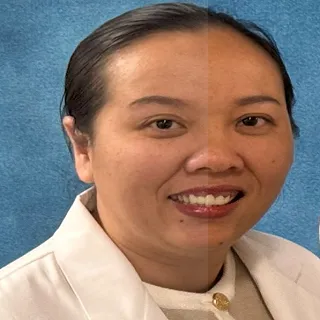
Thuy Do is a Pharm.D. student at Chapman University School of Pharmacy with research interests in nanomedicine and cancer therapeutics. She is involved in Dr. Parang’s capstone project, focusing on peptide-based conjugates and nanoparticle drug delivery systems for the development of innovative targeted cancer treatments.

Clare Dinh ('27) is a second-year PharmD student at Chapman University with a leadership emphasis. Active in various professional organizations, she is passionate about pharmaceutical research and plans to pursue postgraduate residency or fellowship programs to further her professional career.

Mahsa Moazen is a PharmD student at Chapman University and a researcher in Dr. Parang’s peptide drug conjugates project. She earned her bachelor’s degree in Pharmaceutical Chemistry. Her academic interests focus on peptide conjugates for targeted cancer therapy, bridging pharmaceutical research and clinical practice to advance innovative drug development.”

Troy Khong is a PharmD student at Chapman University School of Pharmacy, set to graduate with a Pharm.D. with a Leadership Degree Emphasis in 2027. I am excited to continue growing in the field of pharmacy and look forward to pursuing opportunities related to pharmaceutical industry.