1. Supply Chain Resilience: Given recent global disruptions (such as Covid19, Geopolitical issues etc.), what strategies can CDMOs employ to enhance supply chain resilience in the Asia-Pacific region?
KATE PARK: Enhancing supply chain resilience begins with an appreciation of what’s at stake: people. We’re not just helping to deliver clinical trials; we’re helping to deliver hope. It’s vital to plan—early, thoroughly and often—so that supply chains remain agile to respond to unforeseen events. Central to this is an in-depth understanding of specific country and product requirements.
Business continuity must also be a priority. Unplanned events can occur in limitless ways, from disease outbreaks to volcanic ash clouds, adverse weather events, technology outages and war. Anticipating the risks and having business continuity plans in place minimises disruption and protects patient safety, continuity of care, and trial integrity. Should an unforeseen event unfold, conducting fast analysis of the likely impact on clinical supply is pivotal, as is taking timely and effective action. Finally, partnering with CDMOs with control-tower knowledge and a global network and infrastructure will support contingency planning and ensure studies can progress with minimal disruption.
NICOLAS BIBER: In a global health event such as the COVID-19 pandemic, clinical trials become disrupted due to the impact on patients’ access to their study sites. Transitioning parts of the patient’s experience to remote interactions where that is possible would address such constraints (Lui et al., 2021). The use of RTSM technology that has a direct-to-patient supply feature is also advised. Maintaining few centralised distribution nodes in the supply network is frequently more efficient, but can expose the network to more significant disruptions than more localised settings. Supply network resilience against a public health event is likely not accomplished the same way as resilience against a war would be. Kurihara et al. (2022) have formed ethical considerations of maintaining a clinical trial in times of war. However, no concrete proposals for practical implementation could be found. It is conceivable that a direct-to-patient setting may also help in this scenario.
ROD DE SPONG: A proactive and flexible approach when it comes to planning is increasingly important. Diversifying and pre-qualifying alternative suppliers and service providers can reduce single points of failure and prepare for identified risks, allowing businesses to address potential risks before they escalate. Well-prepared business continuity plans that are ready to activate if required, provides resilience as a first line of defence rather than relying on crisis management as disruptions occur. Building strong relationships with regulatory bodies also increases ‘right first-time’ execution and mitigates delays.
At Douglas, we undertake regular value chain mapping and supply chain risk assessments to identify and measure potential disruptions. We continually review these risks to understand if the likelihood and impact is increasing or decreasing. By evaluating risks early, we can develop effective strategies to address them proactively.
KAREN MONTGOMERY-DOUGLAS: Recent disruptions like COVID-19 and geopolitical tensions have shown how easily trials can be delayed, increasing costs and impacting patient care.
In an environment where a single disruption can cascade into significant trial delays, supply chain resilience is not only a necessity but a competitive advantage.
To strengthen resilience, CDMOs must understand the supply chain dynamics—monitoring supply and demand, regulatory shifts, and logistical challenges. Real-time, product-specific demand forecasting helps CDMOs adapt quickly to prevent shortages.
Resilience also comes from strategic partnerships. Working with partners who have deep market intelligence and strong relationships across the supply chain—not just transactional vendors—provides the flexibility and insight needed to navigate disruptions. Local partnerships in key regions like the Asia-Pacific ensure access to critical pharma supplies.
By making data-driven decisions and fostering strong partnerships, CDMOs can create a more resilient supply chain, turning potential disruptions into competitive advantages.
2. Quality Assurance: What are the key considerations for maintaining consistent quality assurance standards across various manufacturing and distribution facilities?
KATE PARK: If multiple global production facilities are performing the same set of operations but are running different processes, supply consistency can be compromised. Introducing consistent standardised operating procedures (SOPs) across all global facilities involved in the production of clinical supply,and establishing global quality management and audit systems, supports sponsors to mitigate risks to quality that could otherwise result in the need for rework, delays and even the potential for unblinding to occur. By delivering high quality and consistent output, and aligning the physical and digital supply chains, patient safety is also optimised.
NICOLAS BIBER: A study of pharmaceutical quality assurance of private distributors in lowand middle-income countries found that the current lack of regulatory harmonisation puts patients at a risk of receiving poor-quality or degraded medicines (Van Assche et al., 2018); this may also be due to lack of good manufacturing practice (GMP) enforcement in some geographies. Regulatory diversity among countries participating in a clinical trial has been listed as a significant challenge specifically in the APAC region (Day et al. 2023). There is very little standardisation of requirements. If low- and middle-income countries are going to participate in a clinical trial, that effort will need to be properly funded to comply with adequate quality standards; Van Assche et al. (2018) also suggest that a standardised evaluation tool could support self-evaluations, audits and inspections.
ROD DE SPONG: Ensuring patient safety and maintaining consistent quality standards across manufacturing and distribution facilities is essential. It extends beyond regulatory compliance to encompass cost and time implications associated with poor quality products for ensuring product integrity and safety. At Douglas, we embody this commitment through our culture of excellence, where quality is prioritised from the top down. Having a strong quality culture ensures that every member of the organisation prioritises quality excellence in every aspect of their work. This commitment leads to higher quality products, a reduction in quality related issues, and regulatory non-compliance.
Clear standard operating procedures (SOPs) and quality systems that align with GMP regulations are non-negotiables and are the foundations of quality assurance efforts. A commitment to building a culture of continuous improvement is the next critical step and should be a key consideration.
KAREN MONTGOMERY-DOUGLAS: Maintaining consistent quality assurance in clinical trial supplies starts with understanding regulatory requirements in both the sourcing and destination countries. Each region has its own rules, and navigating these is key to ensuring compliance across manufacturing and distribution.
It’s essential that products are consistent across regions, whether sourced locally or internationally. GxP (good practice) standards must be implemented throughout the supply chain, with regular audits and ongoing training for local teams to ensure compliance with international benchmarks.
A centralised quality management system (QMS), combined with local oversight, is critical to maintaining global standards while adapting to regional nuances.
Real-time monitoring and data analytics also play a vital role, offering early detection of deviations and faster response times, ensuring product quality is upheld at every stage.
3. Localisation: How does the need for local language labelling and packaging affect the supply chain and timelines for clinical trials in the Asia-Pacific region?
KATE PARK: Localised labelling is, of course, mandatory; and for good reason. Ensuring patients understand dosing instructions and possible side effects boosts compliance and supports informed study participation and patient centricity. Yet this requirement can present an additional layer of complexity for sponsors operating in APAC, a region that includes 23 countries and is one of the most linguistically diverse parts of the world.
Without access to dedicated teams of label text and translation specialists, without in-depth knowledge of country specific requirements and robust approval processes, and without an established APAC presence, sponsors can struggle to achieve optimised packaging and labelling operations.
NICOLAS BIBER: Timelines for clinical trials are, in large part, constrained by the need for translation and regulatory approval of printed labels. Go-live may be accelerated by early approval for some regions, but inventory would then be packaged and labelled specifically for those regions and no longer be available for others, which can lead to waste in the supply network. E-labeling may offer a way to navigate many of these constraints (if it can fully replace the printed label). While e-labeling initiatives have existed for several years and have certainly been pushed forward by the COVID-19 pandemic, they still face challenges and exist at different levels of maturity within APAC. E-labeling relies on internet access, which may discriminate against rural areas. While e-labeling has improved regulatory agility, delays in updating have also led to obsolete content. It is advised that agencies collaborate to develop regional guidance on advancing e-labeling initiatives (Matsui et al., 2023).
ROD DE SPONG: The need for local language labelling and packaging does impact clinical trial timelines. Each country has its own regulatory requirements for labelling, which must be carefully managed. Activities should be planned with realistic timelines in mind, as labels typically need approval during the study review process in each region before the study drug can be labelled and shipped.
KAREN MONTGOMERY-DOUGLAS: Local language labelling and packaging are essential for regulatory compliance and patient safety, but they don’t have to be a barrier to efficiency. Multilanguage labelling solutions have really simplified the process, eliminating barriers to centralised sourcing and distribution.
By using centralised depots and labelling products before distribution, CDMOs can reduce supply chain complexity, streamline logistics, and improve consistency. This approach cuts down on timelines and costs, while still ensuring that local language requirements are met, ultimately enhancing both compliance and efficiency.
4. Import/Export Restrictions: How do import and export regulations affect the movement of clinical trial materials between countries within the region?
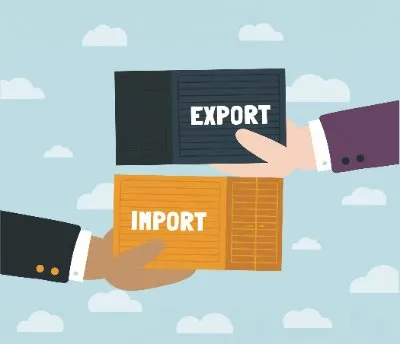
KATE PARK: Operating trials in APAC brings notable advantages, including access to a diverse patient pool, an increasingly experienced investigator and CRO community, and strong research infrastructure. There are also numerous incentive schemes that make APAC an increasingly popular clinical trial destination. For example, China’s National Medical Products Administration has made significant reforms to fast-track drug review and approval and align its regulatory framework with international standards.
However, moving clinical trial material between countries in APAC, each with very different economic, cultural and language-based landscapes, can be tough for sponsors to get right on their own. Regulatory harmonisation in the region would simplify complex import/export processes. Until this becomes a reality, partnering with CDMOs with dedicated regulatory compliance teams who are able to act as Importer of Record, and who have access to a control-tower knowledge of all international shipping lanes, import/export criteria and customs lead-times, can ease the burden, drive efficiencies and promote timely and compliant supply to patients.
NICOLAS BIBER: Day et al. (2023) have found significant disparity in regulatory agility within APAC. Go-live has been delayed by slow approval processes, and further delays were incurred by regulation changes mid-trial. At the origin of these constraints is, once again the lack of regulatory harmonisation within the region, as well as the lack of funding for regulatory agencies in low- and middle-income countries (Ndebele et al., 2014). As with quality assurance, it may be worth weighing the cost of properly funding low- and middle-income economies and facilitating the coordination between agencies across geographies against the cost of delaying going to market with a new drug.
ROD DE SPONG: Import and export regulations can impact timelines and logistics, as each country has its own set of requirements, such as permits, documentation, and customs procedures. Delays occur if materials don’t meet specific regulatory standards, for example local packaging, labelling, or documentation requirements.
Careful planning and coordination with local authorities is essential to ensuring that all regulatory requirements are met in advance to avoid disruptions and to ensure a seamless flow of clinical trial materials across borders.
KAREN MONTGOMERY-DOUGLAS: Import and export regulations across APAC are essential for ensuring the safety and integrity of clinical trial materials. While these regulations protect patients and maintain high standards, they can also lead to challenges such as customs delays and varying documentation requirements, including Certificates of Analysis (CoA) and GMP certifications, which can impact lead times. It’s important to recognise that each country has its own unique regulations, and understanding these processes is crucial for mitigating delays.
Market intelligence plays a vital role in addressing these complexities; it not only guides product sourcing strategies but also influences where trials are hosted. To navigate these regulations effectively, CDMOs need a deep understanding of local compliance requirements from the outset. Additionally, partnering with validated suppliers and logistics providers that have regional expertise is crucial for ensuring the timely and secure movement of materials, ultimately supporting successful trial outcomes.
5. Temperature Control: What are the best practices for managing the temperature-controlled transportation of sensitive clinical supplies across varied climates in APAC?


KATE PARK: Best practice temperature control is dependent on many interconnected elements, from primary and secondary packaging through to drug release, distribution and site storage. It is also dependent on maintaining visibility and control of temperature data at each of these steps, as drugs journey from production line to patient. This implementation of systems and processes supports end-to-end surveillance of often high value, low yield clinical supplies.
“With effective and centralised temperature management systems in place, bolstered by experts, sponsors can reduce the likelihood and increase the detectability of temperature excursions that could threaten patient centricity by compromising product integrity and availability. The use of innovative phase-change shipper technology, temperature monitors and process automation can also lower risk, as can expert management of import/export processes to expedite custom clearance and minimise the time out of conditions.
NICOLAS BIBER: Strategies to transport temperature-sensitive inventory with APAC have not been researched systematically. Aside from properly equipping the supply chain with adequate containers and temperature sensors, there are supply network strategies that may fit each set of temperature requirements and geographic ranges. Minimising the number of links in the supply chain in scenarios where there is a great risk of inventory being exposed to temperature excursion can help mitigate that risk; shipping directly to site or to patient from a central location instead of going through a local depot prevents the inventory from being exposed in one leg of the supply chain. Supplying sites that are at risk more frequently but with smaller volumes minimises the quantities lost to a potential temperature excursion at site. It is likely worth assessing the geographies and the sites within them in detail to form a supply strategy that carries the least risk for the inventory.
ROD DE SPONG: Logistics strategies should be tailored to each customer, product, or physical destination with adherence to GMP/GDP principles and compliance requirements. A one-size-fits-all approach should be avoided, given the environmental, geographic, and infrastructure diversity of the region.
A solution orientated approach should be centred around maintaining product quality and integrity when being transported across varying climates.
Best practices for managing temperature-controlled transportation of sensitive clinical supplies across varied climates involves strong partnerships with providers that have the right capability to meet the logistics needs of each clinical trial study. Using a diverse range of partners and logistics solutions will offer capabilities for real-time monitoring devices, alongside capacity and temperature monitoring systems, ensuring that products are securely transported while maintaining the correct temperature throughout their journey from point A to point B.
KAREN MONTGOMERY-DOUGLAS: The region’s varied climates make transporting temperature-sensitive clinical trial supplies more complex. To keep products safe and effective, validated temperature-controlled packaging solutions are needed to handle different weather conditions.
Using real-time monitoring tools and data loggers is essential to spotting temperature changes early, allowing for quick action to reduce risks. Partnering with reliable logistics providers who have experience in cold chain management helps avoid product incompliance.
Optimising routes is also important; shorter transit times not only enhance efficiency but also reduce exposure to temperature changes. By minimising the time sensitive materials spend in transit, the risk of extreme temperature fluctuations is decreased, helping to maintain the integrity of the products.
6. Partnering with Local Entities: What are the advantages and challenges of partnering with local manufacturers or logistics providers in the region for clinical trials?
KATE PARK: Partnering with local vendors provides sponsors with greater flexibility, giving them greater choice, availability and cost control. Working with a CDMO with an established APAC presence and deep network of approved local suppliers enables sponsors to take advantage of the ‘one stop shop’ model, safe in the knowledge that their IMP is being managed in the most economical way by a team of global experts. With access to ‘boots on the ground’ expertise and thorough understanding of country-specific nuances, knowledge and insight, sponsors can expect more efficient supply chain operations that support them on their mission to deliver the right drugs to the right patients at the right time and temperature.
NICOLAS BIBER: Decentralising production and distribution helps in building resilience of the supply network, especially considering scenarios of geopolitical, public health or other systemic disruption discussed in the first question. Production and distribution can continue to function locally in one geography when they become disrupted in another. However, decentralised operations can present their own challenges. As mentioned above, a more centralised supply network may better prevent temperature excursions; it is important to weigh carefully which risk is greater and which risk has the greater impact on the success of the trial. Furthermore, in a setting with great regulatory diversity, local production and distribution can cause different geographies to experience different levels of quality in trial conduct.
ROD DE SPONG: Utilising a local manufacturer for clinical trials provides a number of advantages. For example, we have the existing knowledge; we have an established vendor network; we have the infrastructure; and we have quality and regulatory processes in place. We can manage each of these aspects of a project on behalf of our clients and do it in a way that keeps them engaged and involved throughout the process, providing them with confidence that their trial materials are being handled with care and expertise.
KAREN MONTGOMERY-DOUGLAS: APAC is experiencing significant growth in clinical trials, driven by its vast population, diverse patient demographics, and ongoing economic and healthcare transformations. However, this growth comes with challenges, including regulatory diversity, variability in clinical standards, and logistical complexities that can hinder trial progress.
In a region marked by differences, partnering with local providers can help navigate these complexities, such as country-specific regulations and customs, ultimately reducing delays in the supply chain. However, this can also introduce variability in quality standards, requiring CDMOs to ensure that local practices align with global best practices.
Given the expected growth within the region, CDMOs must invest in building deeper, long-term relationships with local partners- the commitment to quality and compliance ultimately ensuring smoother supply chain operations across the Asia-Pacific in the long term.
7. Technological Integration: How can new technologies be integrated into the supply chain to improve the efficiency and monitoring of clinical supplies in the region?
KATE PARK: Digital transformation has taken hold of the drug development industry in recent years and the supply chain is no exception. Clinical supply chains are now reliant on technology including ERP, forecasting and simulation, IRT and temperature management systems. However, if these systems are not integrated, gaps appear and the opportunity for human error can lead to inefficiency and negative patient impact. A siloed approach to supply chain systems can also make it difficult to demonstrate to regulators that all necessary steps have been adhered to. Almac has established an integrated supply chain technology ecosystem, where data is fed seamlessly from one system to the next to create a robust end-to-end digital supply chain that optimises operations and reduces risk.
NICOLAS BIBER: Efficiency of clinical supply is determined by the reliability of demand coverage, cost of material and cost of distribution. Greater efficiency can be accomplished by reducing the two cost factors while maintaining reliability. Over time, supply strategies have become more sophisticated and, as a result, more efficient but also more difficult to monitor; supply events and quantities support demand progress more precisely, but it is becoming increasingly difficult to ‘show your work’, to explain why a supply event happened. These days new technology frequently means artificial intelligence. There is little exploration of artificial intelligence (AI) in clinical supply at this time. It could potentially allow the consideration of even more demand factors in supply planning and even greater precision, but it would also make it exceedingly difficult to ‘show your work’.
ROD DE SPONG: A key way we do this at Douglas is by partnering with providers that offer advanced technology, providing greater insight and transparency into the supply chain process. As well as this, our use of automated inventory management systems has improved stock control and minimised errors, while regular data analysis provides insights into our supply chain performance. By leveraging technology, we are continuously enhancing our operations, making us more agile and resilient in meeting the needs of our clients globally, and in the Asia-Pacific region.
KAREN MONTGOMERY-DOUGLAS: Integrating new technologies into the supply chain can significantly enhance the efficiency and monitoring of clinical supplies. Real-time GPS and temperature tracking provide new levels of visibility and transparency for CDMOs, sites, and patients.
Innovative tools like the Internet of Things (IoT) enable real-time monitoring of shipments, mitigating risks for temperature-sensitive products. Additionally, AI-driven predictive analytics can forecast supply chain disruptions, optimising stock levels and improving distribution efficiency.
Digital platforms that connect suppliers, manufacturers, and logistics providers further streamline processes, enhancing communication and reducing lead times across the supply chain.
8. Managed Access Programmes: What are the best practices for managing post-trial access to investigational drugs in the Asia-Pacific, particularly in regions with less robust healthcare systems?
KATE PARK: MAPs are being used more commonly as strategic tools to facilitate optimised, patient-centric, and cost-effective access to IMP outside of a trial setting. They support sponsors to obtain increased insight into study drugs and can be used to rapidly dose patients and save more lives.
“However, operating MAPs isn’t without its challenges. Specific roadblocks vary depending on the chosen pathway but relate broadly to regulatory oversight, product presentation, and the supply chain. Some countries in APAC depending on the route of entry can result in significant regulatory investment for sponsors.
Demand forecasting can also be challenging due to the reactive nature of the programme type. Considerations for mitigating waste and optimising supplies can be adopted here in the use of Just in Time Manufacturing (JTM); a production approach that involves the late-stage customisation of clinical kits to increase flexibility. With JTM, sponsors can overcome forecasting complexities and manage supplies more effectively for MAPs programmes.
NICOLAS BIBER: Post-trial access in low and middle income countries can raise concern of exploitation and unequal access. Geographies with less robust healthcare systems present obstacles to clinical trial sponsors providing adequate post-trial care. This is at least to some extent addressed by the 2013 Declaration of Helsinki, stating that sponsors, researchers and governments should make provisions for post-trial access (Schipper & Colona 2015). When post-trial access is available, this may present the risk of undue inducement, which can occur when the participant benefits from participating in a trial. Offering post-trial access in a geography where healthcare is otherwise difficult to access can compromise the participant’s ability to choose freely. The choice is between participating in a trial or not receiving treatment (Macklin, 1981; Emanuel et al., 2005; Taylor & Wainwright, 2005). This imbalance could present an incentive to favour not improving access to healthcare, as that could improve enrollment success. A key ethical directive of clinical trials is that participants are free to choose; in order for this to apply, access to healthcare in low- and middle-income countries must be improved.
ROD DE SPONG: A recent example from Douglas is our post-trial care following a clinical trial of a ketamine-based treatment for treatment-resistant depression, where we continue to provide medication to patients who require ongoing treatment through a compassionate supply program. This collaborative approach—working closely with prescribers, pharmacies, and our team to ensure seamless access to medication for the patient—reflects best practice for managing post-trial access to investigational drugs. With open communication and coordination, we ensure continuity of care, address individual patient needs, resolve prescriber queries, and maintain the integrity of treatment, which is essential for effective post-trial programs. In regions with less robust healthcare systems, carefully tailored discussions and plans are crucial to understanding the needs of all parties involved and to create the best solution for patients.
Incorporating telehealth or remote consultations has also proven effective in ensuring patients in remote areas still receive the necessary support and care.
KAREN MONTGOMERY-DOUGLAS: Managing post-trial access to both investigational and stand of care products in regions with less developed healthcare systems requires careful planning and collaboration with the sponsor, manufacturer and local health authorities. Unfortunately, often, there aren’t clear processes for this transition, with implications for patients.
Establishing a reliable supply chain for products, along with training and support for local healthcare professionals, is vital for maintaining patient access. Additionally, digital solutions like telemedicine can help bridge gaps, particularly in remote or underserved areas.
NICOLAS BIBER – References:
Allsop, Judith, and Karthryn Jones. "Quality assurance in medical regulation in an international context." Health (2005).
Van Assche, Kerlijn, Ariadna Nebot Giralt, Jean Michel Caudron, Benedetta Schiavetti, Corinne Pouget, Achilleas Tsoumanis, Bruno Meessen, and Raffaella Ravinetto. "Pharmaceutical quality assurance of local private distributors: a secondary analysis in 13 low-income and middle-income countries." BMJ Global Health 3, no. 3 (2018): e000771.
Day, Daphne, Han Chong Toh, Raghib Ali, Estelle Mei Jye Foo, John Simes, John Whay Kuang Chia, Eva Segelov, and ASCOLT Investigators. "Operational challenges of an Asia-Pacific academic oncology clinical trial." JCO global oncology 9 (2023): e2300040.
Emanuel, Ezekiel J., Xolani E. Currie, and Allen Herman. "Undue inducement in clinical research in developing countries: is it a worry?." The Lancet 366, no. 9482 (2005): 336-340.
Lui, Lucas NQ, Aaron C. Tan, Matthew CH Ng, Pierce KH Chow, and Daniel SW Tan. "The impact of COVID-19 on clinical trials in the Asia-Pacific region and future implications." (2021).
Kurihara, Chieko, Francis P. Crawley, Varvara Baroutsou, Sander Becker, Brigitte Franke-Bray, Courtney A. Granville, Kotone Matsuyama, Shehla Naseem, Johanna Schenk, and Sandor Kerpel-Fronius. "The continuation of clinical trials in times of war: A need to develop ethics and situationally adaptive clinical research guidelines." Frontiers in Medicine 9 (2022): 966220.
Macklin, Ruth. "'Due' and 'undue' inducements: On paying money to research subjects." IRB: Ethics & Human Research 3, no. 5 (1981): 1-6.
Matsui, Rie, Koji Yamaguchi, Jadz Jevz Venzon Lee, Ivy Ting, Destita Khairilisani, Jenny Chang, Jeong-Min Seo et al. "Survey result for e-labeling initiatives in Asia." Therapeutic Innovation & Regulatory Science 57, no. 2 (2023): 251-260.
Ndebele, Paul, Christina Blanchard-Horan, Akbar Shahkolahi, and Ian Sanne. "Regulatory challenges associated with conducting multi-country clinical trials in resource-limited settings." JAIDS Journal of Acquired Immune Deficiency Syndromes 65 (2014): S29-S31.
Schipper, Irene, and Silvia Colona. "Post-trial access to treatment: corporate best practices." (2015).
Taylor, Gordon J., and Paul Wainwright. "Open label extension studies: research or marketing?." Bmj 331, no. 7516 (2005): 572-574.