The Current State of Pharmacovigilance
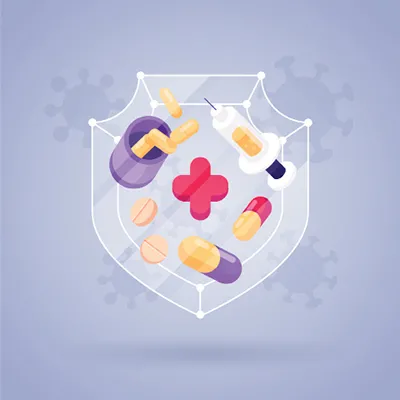
Pharmacovigilance, the science and activities relating to the detection, assessment, understanding and prevention of adverse effects or any other drug-related problems, has long been a cornerstone of patient safety. Traditional methods, however, often suffer from delays in reporting, data inconsistencies, and limited real-time monitoring capabilities. These limitations can lead to delayed identification of adverse drug reactions, potentially putting patients at risk.
Enter IoT: Real-Time Monitoring and Data Collection
The Internet of Things refers to the network of physical objects embedded with sensors, software, and other technologies that enable them to collect and exchange data. In the context of pharmacovigilance, IoT devices are transforming the way we monitor patient health and drug effects.
Key applications of IoT in pharmacovigilance include:
1. Wearable health monitors: Devices such as smartwatches and fitness trackers can continuously monitor vital signs, activity levels, and even specific health parameters relevant to particular medications.
2. Smart pill dispensers: These devices can track medication adherence, reminding patients to take their doses and recording when medications are taken.
3. Connected medical devices: Devices like smart inhalers or glucose monitors can provide real-time data on medication usage and patient response.
4. Environmental sensors: These can monitor storage conditions for pharmaceuticals, ensuring they remain within safe temperature and humidity ranges throughout the supply chain.
The data collected by these devices provides a comprehensive, real-time picture of patient health and drug effects. This wealth of information allows for more rapid identification of adverse events and enables healthcare providers to make informed decisions quickly.
Blockchain: Ensuring Data Integrity and Transparency
While IoT devices excel at data collection, blockchain technology addresses another crucial aspect of pharmacovigilance: data integrity and security. Blockchain, a decentralised digital ledger technology, offers several key benefits:
1. Immutability: Once data is recorded on a blockchain, it cannot be altered or deleted, ensuring the integrity of pharmacovigilance records.
2. Transparency: All stakeholders can view the same information, promoting trust and collaboration among pharmaceutical companies, regulators, healthcare providers, and patients.
3. Traceability: Every transaction or data entry is timestamped and linked to previous entries, creating a clear audit trail.
4. Security: The decentralised nature of blockchain makes it highly resistant to hacking or data breaches.
In pharmacovigilance, blockchain can be used to securely record and share adverse event reports, clinical trial data, and supply chain information. This creates a single source of truth that all stakeholders can rely on.
The Synergy of IoT and Blockchain
When combined, IoT and blockchain create a powerful ecosystem for pharmacovigilance. Let's explore the key applications in more detail:
1. Real-Time adverse event reporting
IoT devices can detect potential adverse events as they occur. For instance, a wearable device might detect an abnormal heart rhythm shortly after a patient takes a new medication. This information can be immediately and securely recorded on the blockchain, triggering alerts to healthcare providers and regulators. The blockchain ensures that this report is time-stamped, immutable, and traceable, providing a reliable record for further investigation.
2. Enhanced clinical trials
IoT devices can continuously monitor trial participants, collecting a wealth of data that goes beyond periodic check-ups. This could include daily fluctuations in vital signs, activity levels, sleep patterns, and other relevant health metrics. All of this data can be securely recorded on the blockchain, providing a comprehensive and tamper-proof record of the trial. This approach improves the accuracy and reliability of trial results while ensuring data integrity.
Moreover, blockchain can facilitate more efficient patient recruitment and consent management. Smart contracts on the blockchain could automate the process of matching patients to suitable trials based on their health data, while securely managing consent forms and ensuring patient privacy.
3. Supply chain transparency
IoT sensors can track environmental conditions (such as temperature and humidity) and the location of pharmaceuticals throughout the supply chain. This data, recorded on the blockchain, provides end-to-end visibility and helps prevent the distribution of counterfeit or compromised drugs. For temperature-sensitive drugs, any deviation from the required storage conditions would be immediately recorded and flagged, allowing for swift corrective action.
Furthermore, blockchain can create an immutable record of each step in the drug's journey from manufacturer to patient. This transparency can help identify and eliminate inefficiencies in the supply chain, reduce the risk of drug shortages, and provide assurance to patients about the authenticity and quality of their medications.
4. Patient empowerment
Patients can have secure access to their own health data collected by IoT devices and recorded on the blockchain. This empowers them to actively participate in their healthcare decisions and report adverse events directly. For example, a patient could use a smartphone app to view their continuous glucose monitoring data, medication adherence records, and any correlations between their medication use and symptoms. They could then easily report any concerns directly through the app, with this report being immediately and securely recorded on the blockchain.
5. Automated safety signal detection
The combination of real-time IoT data and blockchain's data processing capabilities allows for the development of advanced algorithms to detect safety signals earlier than traditional methods. Machine learning algorithms could analyze the vast amount of data from IoT devices across a large patient population, identifying patterns and correlations that might indicate a potential safety issue. These potential signals could be automatically flagged and recorded on the blockchain for further investigation by pharmacovigilance experts.
6. Personalised medicine
The rich, real-time data provided by IoT devices could enable more personalised drug dosing and treatment plans. For instance, data from wearable devices could be used to adjust medication dosages based on a patient's activity levels, sleep patterns, or other physiological markers. This information, securely stored on the blockchain, could be used by healthcare providers to make more informed decisions about patient care, potentially improving drug efficacy and reducing adverse events.
7. Global pharmacovigilance network
A blockchain-based global network could enable real-time sharing of safety data across borders, allowing for faster identification of safety signals on a global scale. This could be particularly valuable for identifying rare adverse events that may not be apparent in smaller populations. The blockchain would ensure that this shared data remains secure and tamper-proof, while smart contracts could automate the process of aggregating and analysing data from multiple sources.

8. Regulatory compliance and reporting
Blockchain can streamline the process of regulatory reporting by creating an immutable audit trail of all pharmacovigilance activities. This could include adverse event reports, signal detection activities, and risk management plans. Regulatory authorities could have secure access to this blockchain, allowing for more efficient and transparent oversight. Smart contracts could even automate certain aspects of regulatory reporting, ensuring timely submission of required information.
9. Post-marketing surveillance
The combination of IoT and blockchain can significantly enhance post-marketing surveillance of drugs. IoT devices can provide continuous monitoring of patients using newly approved drugs, with this data being securely recorded on the blockchain. This approach allows for the detection of long-term or rare side effects that may not have been apparent during clinical trials. The blockchain ensures that this post-marketing data is credible and tamper-proof, providing a solid foundation for ongoing safety assessments.
10. Drug-to-drug interaction monitoring
IoT devices that track medication adherence, combined with blockchain records of patients' medication histories, can provide valuable insights into potential drug-drug interactions. Machine learning algorithms could analyse this data to identify previously unknown interactions, with these findings being securely recorded on the blockchain for further investigation and dissemination to healthcare providers.
Challenges and considerations
While the potential benefits of IoT and blockchain in pharmacovigilance are significant, several challenges must be addressed:
1. Data privacy and security: The collection and sharing of sensitive health data raise important privacy concerns. Robust security measures and clear data governance policies are essential.
2. Regulatory compliance: The use of these technologies must comply with existing regulations such as GDPR in Europe and HIPAA in the United States. Regulatory frameworks may need to evolve to fully embrace these innovations.
3. Standardisation: For these technologies to work effectively across the healthcare ecosystem, standards for data formats, device interoperability, and blockchain protocols must be established.
4. Integration with existing systems: Healthcare organisations and pharmaceutical companies will need to integrate these new technologies with their existing IT infrastructure, which can be complex and costly.
5. Scalability: As the volume of data collected by IoT devices grows, blockchain networks must be able to handle this increased load without compromising performance.
6. Digital divide: There is a risk that the benefits of these technologies may not be equally accessible to all populations, potentially exacerbating health disparities.
The Future of Pharmacovigilance
As IoT and blockchain technologies continue to mature, their impact on pharmacovigilance is likely to grow. Some potential future developments include:
1. Predictive analytics: Advanced AI algorithms could analyse the vast amounts of data collected by IoT devices and stored on blockchain to predict potential adverse events before they occur.
2. Personalised medicine: The rich, real-time data provided by IoT devices could enable more personalised drug dosing and treatment plans, improving efficacy and reducing adverse events.
3. Global pPharmacovigilance network: A blockchain-based global network could enable real-time sharing of safety data across borders, allowing for faster identification of safety signals on a global scale.
4. Smart contracts for automated reporting: Blockchain-based smart contracts could automate certain aspects of adverse event reporting and regulatory compliance, improving efficiency and reducing human error.
5. Patient-Centric drug development: The combination of IoT and blockchain could facilitate more patient involvement in drug development, from clinical trial participation to post-market feedback.
Conclusion
The convergence of IoT and blockchain technologies represents a paradigm shift in pharmacovigilance. By enabling realtime monitoring, ensuring data integrity, and promoting transparency, these innovations have the potential to significantly enhance patient safety and accelerate drug development.
While challenges remain, particularly in the areas of data privacy, regulatory compliance, and technology integration, the potential benefits are substantial. As these technologies continue to evolve and mature, they promise to usher in a new era of drug safety characterised by proactive monitoring, rapid response to safety signals, and unprecedented collaboration among all stakeholders in the healthcare ecosystem.
The journey towards this future of enhanced pharmacovigilance is already underway. As healthcare providers, pharmaceutical companies, regulators, and technology developers continue to explore and implement these innovations, we can look forward to a future where adverse drug events are detected and prevented more effectively, clinical trials are more efficient and transparent, and patients have greater control over their health data and treatment decisions.
In this rapidly evolving landscape, staying informed about these technological advancements and their implications for drug safety will be crucial for all healthcare professionals. By embracing these innovations responsibly and thoughtfully, we can work towards a future where medications are safer, more effective, and more personalised than ever before.
References:
1. De Pretis, F., Van Gils, M., & Forsberg, M. M. (2022). A smart hospital-driven approach to precision pharmacovigilance. Trends in Pharmacological Sciences, 43(6), 473-481. https://doi.org/10.1016/j.tips.2022.03.009
2. Dubovitskaya, A., Novotny, P., Xu, Z., & Wang, F. (2019). Applications of blockchain technology for data-sharing in oncology: Results from a systematic literature review. Oncology, 98(6), 403-411. https://doi.org/10.1159/000504325
3. Dubovitskaya, A., Novotny, P., Thiebes, S., Sunyaev, A., Schumacher, M., Xu, Z., & Wang, F. (2019). Intelligent health care data management using blockchain: Current limitation and future research agenda. Heterogeneous Data Management, Polystores, and Analytics for Healthcare, 277-288. https://doi.org/10.1007/978-3-030- 33752-0_20
4. Ehioghae, E., Idowu, S., & Ebiesuwa, O. (2021). Enhanced drug anti-counterfeiting and verification system for the pharmaceutical drug supply chain using blockchain. International Journal of Computer Applications, 174(21), 1-12. https://doi.org/10.5120/ijca2021921105
5. Jamil, F., Hang, L., Kim, K., & Kim, D. (2019). A novel medical blockchain model for drug supply chain integrity management in a smart hospital. Electronics, 8(5), 505. https://doi.org/10.3390/electronics8050505
6. Manish, Katiyar, D., & Singhal, S. (2021). Blockchain technology in management of clinical trials: A review of its applications, regulatory concerns and challenges. Materials Today: Proceedings, 47, 198-206. https://doi.org/10.1016/j.matpr.2021.04.095
7. McGhin, T., Choo, K. R., Liu, C. Z., & He, D. (2019). Blockchain in healthcare applications: Research challenges and opportunities. Journal of Network and Computer Applications, 135, 62-75. https://doi.org/10.1016/j.jnca.2019.02.027
8. Mokrova, L. P., Borodina, M. A., Goncharov, V. V., Popov, S. A., & Kepa, Y. N. (2021). Prospects for using blockchain technology in healthcare: Supply chain management. Entomology and Applied Science Letters, 8(2), 71-77. https://doi.org/10.51847/zjah7bykpb
9. Tseng, J., Liao, Y., Chong, B., & Liao, S. (2018). Governance on the drug supply chain via Gcoin blockchain. International Journal of Environmental Research and Public Health, 15(6), 1055. https://doi.org/10.3390/ijerph15061055
10, Praveen, J. (2023). Catalyzing Drug Safety: Harnessing IoT and Block chain Technology and its Synergy in Pharmacovigilance. Journal of Innovations in Applied Pharmaceutical Science (JIAPS), 8(3), 13-17. https://doi.org/10.37022/jiaps.v8i3.478