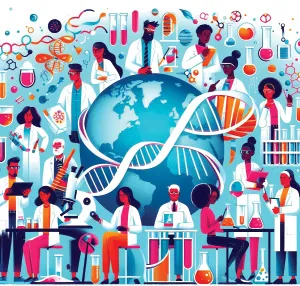
The life sciences industry, which includes biotechnology, pharmaceuticals, medical devices, and much more, is considered a pioneer of human innovation. This sector has the potential to transform health outcomes while serving as a cornerstone for global improvements in quality of life. One crucial element driving this progress is diversity. Within the life sciences, diversity is a key enabler of breakthroughs and inclusive healthcare solutions. It is fundamental for sustained growth, innovation, and overall industry success.
Understanding diversity in its many forms
Diversity in the life sciences extends beyond traditional demographic markers such as race, gender, and ethnicity. It also encompasses variations in educational backgrounds, professional experiences, disciplines, cultures, and cognitive approaches. Each dimension is necessary for fostering a well-rounded, dynamic, and forward-thinking industry.
1. Demographic diversity: Incorporating individuals of different ages, genders, ethnicities, and races into the workforce helps the industry mirror the society it aims to serve. This reflection contributes to broader, more inclusive perspectives.
2. Experiential diversity: Bringing together professionals from various educational and career backgrounds spurs innovation. Engineers, biologists, data scientists, and even artists introduce unique viewpoints that challenge conventional wisdom.
3. Cognitive diversity: Different ways of thinking and approaching problems lead to creative solutions and comprehensive decision-making, essential for tackling complex scientific challenges.

The impact of inclusive teams on innovation
Research consistently demonstrates that inclusive teams in the life sciences industry deliver superior outcomes. Diverse teams bring multiple perspectives to the table, driving more creative and effective solutions. Studies have shown that these groups achieve better results in problem-solving and innovation compared to homogenous teams.
For instance, research has highlighted the significant benefits of ethnic diversity in research teams. Papers authored by ethnically diverse groups tend to receive higher impact scores, underlining the value of diverse perspectives in fostering progress and innovation. Companies that prioritise diversity also exhibit greater adaptability and resilience, which are vital traits in the rapidly evolving life sciences field.
Addressing systemic barriers
Despite the clear benefits, diversity in the life sciences industry has faced several barriers, particularly in leadership roles. These barriers include unconscious biases, lack of mentorship, and systemic inequalities. However, the industry is increasingly making efforts to dismantle these barriers.
1. Mentorship and sponsorship: Providing mentorship and sponsorship opportunities to underrepresented groups is essential. These initiatives help individuals gain insights, build networks, and navigate their careers effectively. Studies indicate that mentorship programs significantly improve career outcomes for underrepresented groups, thereby fostering a more inclusive workplace.
2. Bias training: Implementing unconscious bias training programs helps create a more inclusive work environment by raising awareness of preconceived notions and promoting equitable opportunities. Companies with bias training tend to have improved hiring and promotion practices, fostering a more diverse workforce.
3. Inclusive hiring practices: Reforming recruitment processes to focus on inclusive hiring ensures diverse talent pools are considered. This involves designing job descriptions that appeal to various candidates and using unbiased selection criteria. By recruiting from a broader talent pool, organisations can harness a wide range of perspectives and experiences.
Beyond innovation: Inclusive patient care
The benefits of diversity extend beyond innovation to understanding and addressing the diverse needs of patients. The life sciences industry must develop treatments and solutions that serve all segments of the population effectively.
One approach that exemplifies this is personalised medicine, which tailors medical treatment to individual patient characteristics. Achieving personalised medicine requires diverse clinical trials. When trials include a broad range of participants, researchers can ensure treatments are effective for varied populations. Embracing diversity in research results in medical treatments that are more widely applicable and effective, ultimately benefiting society at large.
For example, studies have indicated that gender diversity in research teams leads to better scientific outcomes and more broadly applicable research. These findings underscore the necessity of inclusive practices in clinical trials and research to develop treatments that address the diverse needs of a global population.
The role of global collaboration
Global collaboration in the life sciences is becoming increasingly prevalent, bringing with it unique challenges and opportunities rooted in diversity.
1. Cultural sensitivity: Effective global collaboration demands an understanding and respect for different cultural norms and practices. Cultural sensitivity enhances teamwork and reduces potential conflicts. By fostering a culture of respect and awareness, teams can navigate cultural differences and work together more effectively.
2. Regulatory diversity: Different countries have varying regulations for research, clinical trials, and product approval. Navigating these regulatory landscapes requires flexibility and adaptability. Companies must be aware of and comply with diverse regulatory standards to ensure global success.
3. Language and communication: Language barriers can impede collaboration. Investing in multilingual teams or translation services can bridge communication gaps effectively, ensuring that all team members can contribute fully.
Despite these challenges, global collaboration generates diverse expertise, pooling resources, knowledge, and skills to tackle global health challenges. This promotes the sharing of best practices and accelerates the pace of innovation, leading to better health outcomes worldwide.
Inclusion maximises diversity
Diversity alone is insufficient; inclusion is pivotal in unlocking the full potential of a diverse workforce. Inclusion creates an environment where every individual feels valued, heard, and empowered to contribute.
An inclusive environment actively seeks diverse perspectives and fosters respect and collaboration, allowing individuals to share their insights without fear of judgement. Research indicates that inclusive environments lead to higher employee engagement and innovation.
Employee Resource Groups (ERGs) play an instrumental role in fostering inclusion. These voluntary, employee-led groups unite based on shared characteristics or experiences. ERGs provide platforms for employees to support each other, share experiences, and advocate for positive change within the organisation. For instance, an ERG focused on women in STEM can offer mentorship, networking opportunities, and resources to help women advance in traditionally male-dominated fields.
Education and advocacy for future generations
Promoting diversity and inclusion in the life sciences industry starts with education and advocacy. Education initiatives should begin early, targeting school-age children to spark an interest in science and dismantle stereotypes. Encouraging young girls and underrepresented minorities to pursue careers in STEM is essential.
Educational institutions play a crucial role in shaping the future workforce. Partnerships between industry and educational institutions can provide students with exposure to various career paths in the life sciences. Programs, internships, and mentorship initiatives help cultivate a diverse talent pipeline from an early age.
Advocacy should extend to policy changes supporting diversity and inclusion at both the organisational and governmental levels. Policies promoting equal pay, parental leave, and flexible work arrangements accommodate diverse needs. Additionally, organisations can advocate for diversity in science at the policy level, influencing regulations that promote inclusive research practices and funding opportunities. By advocating for systemic changes, organisations can help create an environment where diversity and inclusion are the norms rather than exceptions.
Practical Steps for Increasing Diversity and Inclusion
Implementing practical steps can make a significant difference in fostering a more diverse and inclusive life sciences industry.
1. Develop Clear Diversity Policies: Establish clear policies and goals for diversity and inclusion. These policies should outline the organisation's commitment to fostering a diverse workforce and provide guidelines for achieving these goals.
2. Regular Diversity Training: Conduct regular diversity and inclusion training for employees at all levels. This training should cover topics such as unconscious bias, cultural competence, and inclusive leadership.
3. Inclusive Recruitment Practices: Revamp recruitment processes to ensure they are inclusive. This includes using diverse interview panels, advertising job openings in various forums, and implementing blind recruitment practices to reduce bias.
4. Mentorship Programs: Establish mentorship programs that pair experienced employees with underrepresented groups. These programs provide guidance, support, and opportunities for career advancement.
5. Evaluate and Measure Progress: Regularly evaluate and measure progress towards diversity and inclusion goals. Use metrics like recruitment, retention, and promotion rates of underrepresented groups to assess the effectiveness of initiatives.
6. Create Safe Spaces: Foster an environment where employees feel safe to express their identities and experiences. This can be achieved through the establishment of ERGs, regular open forums, and anonymous feedback channels.
Success Stories: Evidence of Impact
Several organisations have successfully implemented diversity and inclusion initiatives, resulting in tangible benefits. Here are a few real-world examples:
1: Diversity drives drug development
A pharmaceutical company prioritised diversity in its research team and clinical trials for a new drug. By ensuring representation from various demographic groups—including different ages, genders, ethnicities, and geographic regions—the company gained valuable insights into the drug's efficacy and side effects.
This inclusive approach revealed variations in treatment responses that would have been overlooked in a homogenous trial. As a result, the final treatment protocol was more tailored and effective for a broader population. This commitment to diversity not only improved the drug's success but also gained trust and credibility within diverse communities.
2: Mentorship programme accelerates career advancement
A biotechnology firm established a mentorship programme to support women and underrepresented minorities in STEM careers. The program paired mentees with experienced mentors who provided guidance, networking opportunities, and career development resources.
As a result of the mentorship program, participants reported increased confidence, improved career prospects, and higher job satisfaction. The firm also observed a rise in the retention and promotion rates of underrepresented groups, contributing to a more diverse and inclusive leadership team.
3: Inclusive hiring practices lead to innovation
A medical device company revamped its recruitment process to focus on inclusive hiring practices. The company used diverse interview panels, advertised job openings in various forums, and implemented blind recruitment techniques to reduce bias.
These changes resulted in a more diverse applicant pool and, subsequently, a more diverse workforce. The increased diversity brought fresh perspectives and ideas, leading to innovative solutions and improved product development. The company's commitment to inclusive hiring practices fostered a culture of innovation and collaboration.
Looking Ahead: The future of diversity
The journey toward diversity and inclusion in the life sciences industry is ongoing. Significant progress has been made, but much work remains. The future holds exciting possibilities, and several trends are worth noting:
1. AI and data analytics: Advances in artificial intelligence and data analytics help uncover and address biases in research and clinical trials. These technologies can identify disparities and optimise diversity in study populations, leading to more equitable and effective treatments.
2. Global partnerships: Continued global collaborations will promote knowledge sharing and resource pooling, driving innovation and addressing global health challenges collectively. Such partnerships can leverage diverse expertise and resources to tackle complex health issues on a global scale.
3. Flexible work models: Remote work and flexible arrangements attract diverse talent, accommodating individuals with various needs and backgrounds. These models can help organisations tap into a broader talent pool and create a more inclusive workplace.
4. Increased Representation: Efforts to increase representation in leadership positions ensure diverse voices are heard at the decision-making level, driving more inclusive policies and practices. Promoting diverse leadership helps create a culture that values and prioritises diversity at all levels.
A call to champion diversity
Diversity and inclusion are fundamental components of a thriving life sciences industry. Each individual, regardless of background, brings a unique perspective that can drive innovation, improve patient outcomes, and create equity.
Commitment to diversity and inclusion involves breaking down barriers and building an industry reflecting and serving humanity’s diverse tapestry. This approach ensures scientific excellence and a healthier, more inclusive future for all. By recognizing and embracing the multifaceted aspects of diversity, the life sciences industry can continue to evolve, meeting tomorrow’s challenges with renewed vigour and creativity.
REFERENCES
1. Rock, D., & Grant, H. (2016). Why Diverse Teams Are Smarter. Harvard Business Review. Retrieved from hbr.org
2. Page, S. E. (2007). The Difference: How the Power of Diversity Creates Better Groups, Firms, Schools, and Societies. Princeton, NJ: Princeton University Press.
3. Bourke, J., & Dillon, B. (2018). The diversity and inclusion revolution: Eight powerful truths. Deloitte Review, 22, 82-95. Retrieved from deloitte.com
4. Nielsen, M. W., et al. (2017). Gender diversity leads to better science. Proceedings of the National Academy of Sciences, 114(8), 1740-1742. doi: 10.1073/pnas.1700616114
5. Freeman, R. B., & Huang, W. (2015). Collaborating With People Like Me: Ethnic Co-Authorship within the US. Journal of Labor Economics, 33(S1), S289-S318. doi: 10.1086/678978
6. Williams, D. R., & Cooper, L. A. (2019). Reducing Racial Inequities in Health: Using What We Already Know to Take Action. International Journal of Environmental Research and Public Health, 16(4), 606. doi: 10.3390/ijerph16040606
7. Hofstede, G., et al. (2010). Cultures and Organizations: Software of the Mind. New York: McGraw-Hill.
8. Eichler, H. G., et al. (2012). Across-system learning from regulatory failure. Clinical Pharmacology & Therapeutics, 91(2), 336-347. doi: 10.1038/clpt.2011.309
9. Marschan-Piekkari, R. (1999). Language and communication in multinational corporations. Journal of World Business, 34(4), 364-379. doi: 10.1016/s1090-9516(99)00020-5
10. Derven, M. (2014). Diversity and Inclusion: A Business Case. Industrial and Commercial Training, 46(4), 182-188. doi: 10.1108/ICT-09-2013-0064
11. Miller, D. D. (2017). Building Bridges: The Integration of Employee Resource Groups into Workplace Diversity and Inclusion Strategies. Journal of Diversity Management, 12(2), 23-32. doi: 10.19030/jdm.v12i2.10095
12. Dasgupta, N., & Stout, J. G. (2014). Girls and Women in Science, Technology, Engineering, and Mathematics: STEMing the Tide and Broadening Participation in STEM Careers. Policy Insights from the Behavioral and Brain Sciences, 1(1), 21-29. doi: 10.1177/2372732214549471
13. Mehrabi, N., et al. (2021). A Survey on Bias and Fairness in Machine Learning. ACM Computing Surveys, 54(6), 1-35. doi: 10.1145/3457607
14. Hotez, P. J., et al. (2019). The Global Health Security Index: Strengthening Preparedness for the Next Global Pandemic. The Lancet, 394(10197), 333-334. doi: 10.1016/S0140-6736(19)31293-X
15. Bloom, N., et al. (2015). Does Working from Home Work? Evidence from a Chinese Experiment. The Quarterly Journal of Economics, 130(1), 165-218. doi: 10.1093/qje/qju032
16. McKinsey & Company. (2020). Diversity Wins: How Inclusion Matters. Retrieved from mckinsey.com